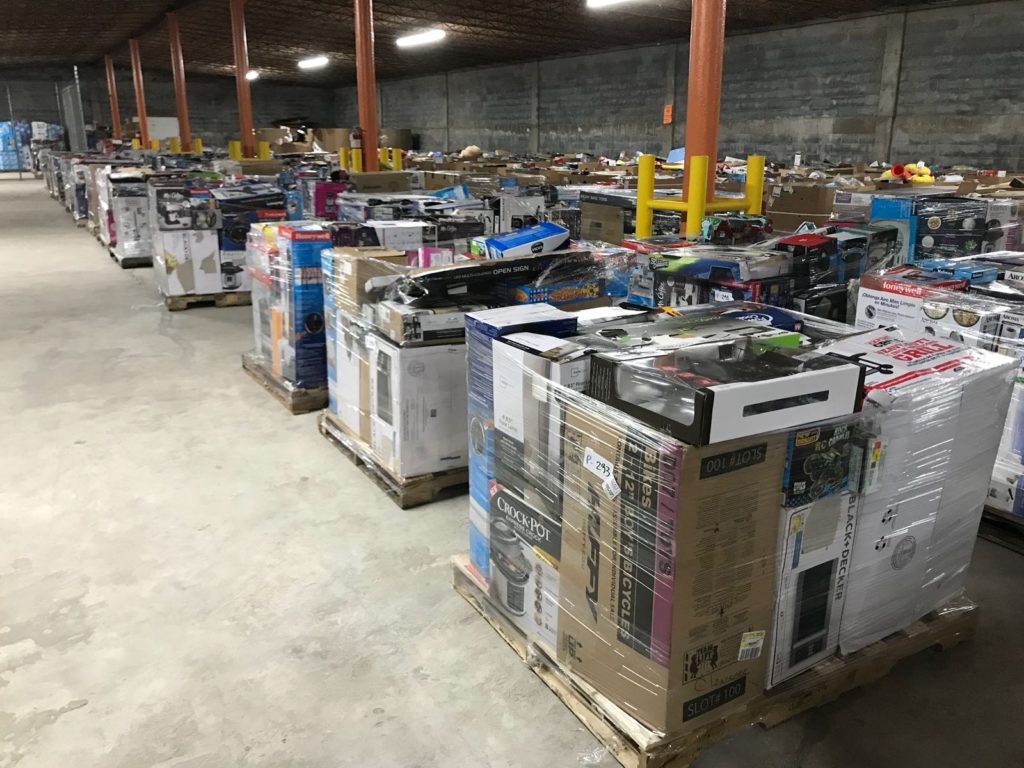
When you’re ready to liquidate excess inventory, finding the right buyer is one of the most important decisions you’ll make. Choose well and you get a fair price, a smooth process, and cash in hand quickly. Choose poorly and you risk lowball offers, logistical headaches, delayed payments, or worse — a deal that falls apart entirely after you’ve already committed time and resources.
The bulk closeout and liquidation space has grown significantly in recent years, which means more options for sellers. But more options also means more room for bad actors, inexperienced buyers, and operators who overpromise and underdeliver.
This guide breaks down exactly what to look for in a trustworthy bulk closeout buyer — and the warning signs that should make you pause before moving forward.
What Is a Bulk Closeout Buyer?
A bulk closeout buyer is a company or individual that purchases large quantities of surplus, overstock, discontinued, or returned merchandise directly from retailers, manufacturers, distributors, or brands. Unlike marketplaces or brokers who simply connect sellers with third-party buyers, direct buyers like Excess Closeouts purchase the inventory themselves, take on the logistics, and resell through their own distribution network.
The direct buyer model is generally faster and simpler for sellers because you’re only dealing with one party — no waiting for the right buyer to come along, no uncertainty about whether a deal will close.
That said, not every company operating in this space does so with the same level of professionalism or transparency. Here’s how to tell the difference.
What to Look for in a Bulk Closeout Buyer
1. Transparency About the Process
A trustworthy buyer will clearly explain how they evaluate inventory, how they price it, and what the process looks like from submission to payment. You shouldn’t have to dig for this information or wait until late in the process to understand the terms.
Look for a buyer who outlines a clear, step-by-step process on their website or in their initial communication. At Excess Closeouts, our process is straightforward: submit your inventory, receive an offer within 48 hours, agree on terms, and we handle free pickup. No surprises.
2. Demonstrated Industry Experience
Experience in the liquidation industry is not just a nice-to-have — it’s essential. Buyers with deep industry knowledge understand market values, know how to move different product categories, and are equipped to handle the complexity that comes with large or mixed lots.
Ask how long the company has been operating, what categories they specialize in, and what size deals they typically handle. A buyer with 12+ years of experience across a wide range of product categories — as the Excess Closeouts team has — brings a level of competence and market awareness that newer entrants simply can’t match.
3. A Broad Range of Accepted Categories
Some buyers are highly specialized — they only purchase electronics, or only deal in apparel. That’s not necessarily a problem, but it does limit your options, especially if you have a mixed inventory.
A buyer who accepts a wide range of categories — electronics, tools, toys, health & beauty, personal care, baby products, office supplies, general merchandise, and more — gives you more flexibility and simplifies the process, particularly for sellers with diverse stock.
4. Fair Market Pricing — Not Just High Opening Offers
Beware of buyers who lead with an impressively high offer, only to revise it down sharply once they’ve received your manifest or when the truck arrives. This bait-and-switch approach is unfortunately common in the industry.
A trustworthy buyer will offer a fair price based on a genuine assessment of your inventory’s resale potential. They’ll be able to explain how they arrived at that figure and it will hold up through the process. According to the National Association of Resale Professionals, pricing transparency is one of the defining markers of a professional resale operation.
5. Logistics Capabilities and Free Pickup
Coordinating the physical movement of bulk inventory can be a significant operational burden for sellers. A capable buyer should have the logistics infrastructure to handle pickup from your facility without requiring you to arrange freight.
Free pickup is a strong indicator that a buyer is serious, established, and has the operational capacity to follow through. It also eliminates a major cost and complexity for you as the seller.
6. A Global or Wide Buyer Network
The buyer’s ability to resell your inventory quickly — and at a good price — depends heavily on their distribution network. A buyer with strong connections to independent liquidators, regional distributors, brick-and-mortar retailers, and global resellers can move inventory efficiently, which in turn allows them to offer more competitive prices to sellers.
Ask potential buyers where their inventory ends up. A broad, established network is a good sign. Vague answers about “various channels” without specifics should prompt further questions.
7. Clear Payment Terms
Before committing to any deal, you should have complete clarity on when and how you’ll be paid. Reputable buyers will outline payment terms upfront and honor them consistently.
Look for buyers who process payment before or upon pickup. Post-pickup payment arrangements can leave sellers in a vulnerable position — especially if there are disputes about condition or quantities after the fact.
Red Flags to Watch Out For
Now let’s look at the other side — the warning signs that suggest a buyer may not be the right partner.
Red Flag #1: Vague or Inconsistent Communication
If a buyer is slow to respond, gives inconsistent answers, or is difficult to reach after the initial contact, take that as a serious warning sign. Delays and communication gaps that happen before the deal will only get worse once you’re in the middle of it.
Red Flag #2: No Physical Address or Verifiable Business Information
A legitimate bulk buyer should have a verifiable business address, a professional website, and contact information that checks out. If a company is difficult to verify — no address listed, no LinkedIn presence, no traceable business history — exercise extreme caution.
You can cross-check business legitimacy through resources like the Better Business Bureau or by checking for business registration in the state where they operate.
Red Flag #3: Pressure to Decide Quickly
High-pressure tactics — “this offer expires in 24 hours” or “we have another buyer ready to go” — are classic signs of an operator trying to prevent you from doing your due diligence. A reputable buyer will give you reasonable time to review an offer and ask questions.
Red Flag #4: Dramatic Last-Minute Price Changes
As mentioned above, a buyer who significantly revises their offer downward after receiving more information — without a clear, legitimate reason — is engaging in a bait-and-switch. Minor adjustments based on genuine discrepancies in condition or quantity are normal. Dramatic revisions are not.
Red Flag #5: Requests for Upfront Fees
Legitimate bulk closeout buyers do not charge sellers upfront fees for evaluations, appraisals, or processing. If a buyer asks for money before making an offer or before a deal is closed, walk away immediately.
Red Flag #6: No Reviews, References, or Track Record
An established buyer in this space should have a track record you can verify. Look for reviews, testimonials, case studies, or references from previous sellers. If you can’t find any evidence of past deals or satisfied clients, that’s a significant gap.
How to Verify a Buyer Before Committing
Before entering into any agreement with a bulk closeout buyer, take these practical steps:
- Search the company name alongside terms like “review,” “complaint,” or “scam”
- Check their Better Business Bureau profile
- Look up their business registration in their stated state of operation
- Review their website for clear process documentation, physical address, and contact details
- Ask for references from previous sellers and actually contact them
- Get any offer or agreement in writing before committing to any action
These steps take a small amount of time but can save you significant frustration — and money.
Why Sellers Keep Coming Back to Excess Closeouts
At Excess Closeouts, we’ve built our business on repeat clients. That doesn’t happen by accident.
We’ve been operating since 2013, with over 12 years of combined experience across virtually every product category. We’re direct buyers — not brokers — with a global resale network that allows us to move inventory quickly and price competitively. We’re transparent about our process from day one, we offer free pickup, and we pay promptly.
We’re not the right fit for every deal — but when we are, we deliver. And that reputation is worth more to us than any single transaction.
If you’re evaluating your options and want to see how we compare, submit your inventory here and we’ll get back to you within 48 hours with a straightforward assessment and offer.
Final Thoughts
Choosing the right bulk closeout buyer isn’t about finding someone who makes the biggest promise. It’s about finding a partner who is transparent, experienced, logistically capable, and consistent — someone who does what they say they’ll do, every time.
Use the criteria and red flags in this guide to evaluate any buyer you’re considering. The right partner makes liquidating your excess inventory simple, fast, and profitable. The wrong one turns a manageable process into a costly headache.